

How to Choose a Wedding Venue
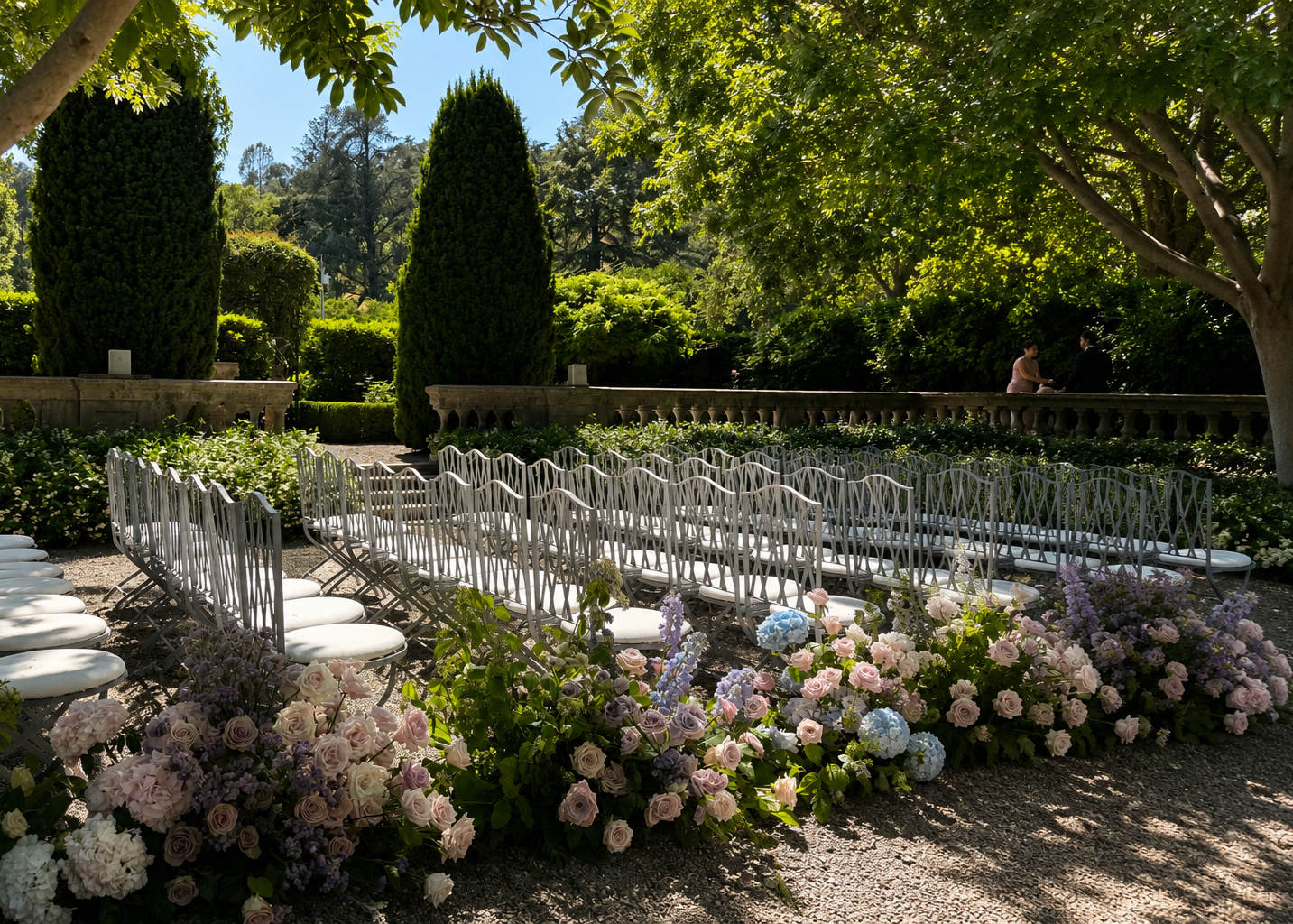
Start with your guest count, your real budget, your location, and the feeling you want your wedding day to have. Then compare venues on maximum capacity, true total cost, logistics, restrictions, rain plan, and how well the space holds the little moments you'll want to relive. Your wedding venue is usually your first big booking, because it locks in your date, your capacity, your style, and which vendors you can even work with. So if you're a couple early in the wedding planning process, staring at a hundred pretty options and feeling a little dizzy, breathe. I want you to look at every venue through three simple lenses: Will it work? Will it feel like us? Will it help you relive the day?
Start With How You Want Your Wedding Day to Feel
Most guides jump straight to logistics and skip the part that actually matters most. Before capacity charts and fee lists, ask yourself how you want the day to feel. Intimate and tender, or a full-on party with loud music and late-night dancing? Elegant and classic, or playful and outdoorsy? Your vision for the day should lead the way. The space you pick shapes the in-between moments, the quiet glances during vows, the laughter you didn't plan. That's the raw, unscripted magic you'll come back to years from now. Get honest about the feeling and the vision first, and every practical decision after it gets easier.
Set Your Guest List Before You Fall in Love With a Space
Your guest list is the first real filter, and it's where the venue search should begin. Capacity, layout, catering minimums, and total cost all flow from how many guests you invite. For context, the average U.S. wedding runs around 117 guests, and the West sits closer to 104, but those are national numbers, not a rule for your day. When you visit, ask for the venue's official maximum capacity for the exact layout you want, because one number doesn't fit every setup, and you'll want enough space for everyone to move.
Seated capacity: every guest at tables for a full dinner.
Cocktail capacity: a standing, mingling flow (often higher).
Dance-floor capacity: room to seat, feed, and dance.
Always ask for real floor plans. A space that fits your headcount on paper can feel cramped once the dance floor and dining tables go in, so knowing the maximum capacity for your setup keeps guests comfortable.
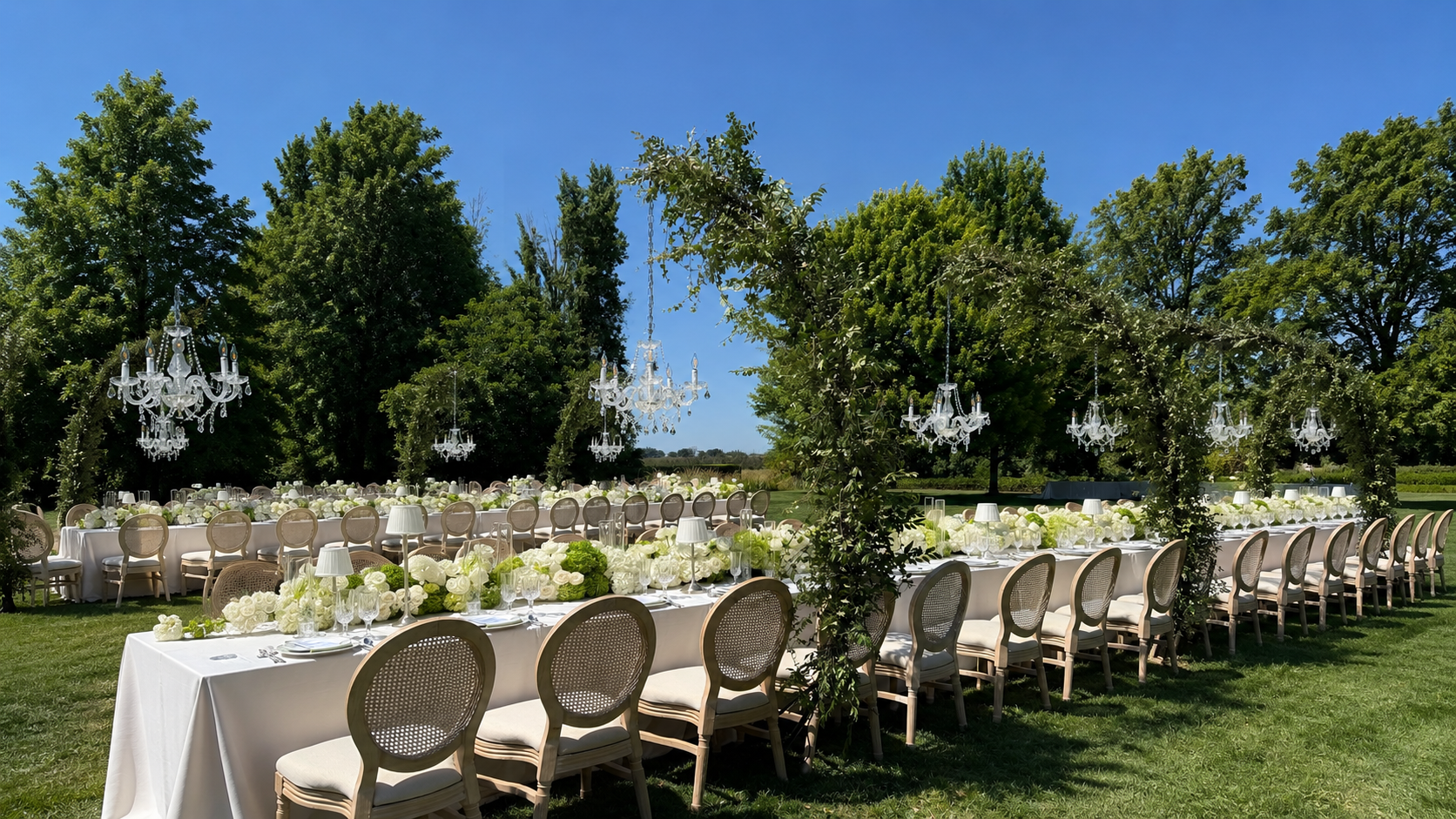
Know Your Real Wedding Venue Budget (Not Just the Rental Fee)
The rental fee is rarely the real number. National benchmarks put the average wedding near $32,899 to $34,000, though the median (around $18,231 per The Wedding Report) often reflects what couples actually spend more honestly. The wedding venue alone averages about $8,573, roughly $6,900 to $10,300, or around 17% of a typical budget. And hidden fees can add another 9% to 15% on top of your first quotes, so knowing what you can afford up front matters.
Ask what's included: tables, chairs, linens, getting-ready rooms, staff, cleanup. Then ask about the extras that sneak in. Here's a quick look at the numbers this guide mentions, so you can see where the real cost hides:
Cost Piece Typical Range What to Know Venue rental (average) $6,900 to $10,300 around 17% of a typical budget; averages about $8,573. Hidden fees on top of quotes + 9% to 15% Added to your first quotes, so ask early. Service charges 18% to 25% often applied to catering and staffing. Cake-cutting fee $2 to $5 per guest charged per head, so it scales with your count. corkage $15 to $25 per bottle applies if you bring your own wine. Other add-ons varies over time, security, valet, and rental extras.
These numbers shift by city, wedding date, and guest count, so treat them as prompts and get a real quote for your day.
Choose a Venue in a Location That Works for You + Your Guests
Think about travel time, ample parking, nearby hotels, and whether you'll need a shuttle. For out of town guests, an easily accessible spot with nearby accommodations is a gift. Book a block of rooms in advance so your out of town loved ones have a simple place to land. Ask about accessible entrances, parking, ceremony routes, restrooms, and seating so no guest gets left out. One small California note: if you're using a California marriage license, the ceremony has to happen in California, and the license is valid for 90 days (per Sacramento County). You don't have to marry in the county you got it in.
Look Beyond the Aesthetic: How the Space Actually Flows
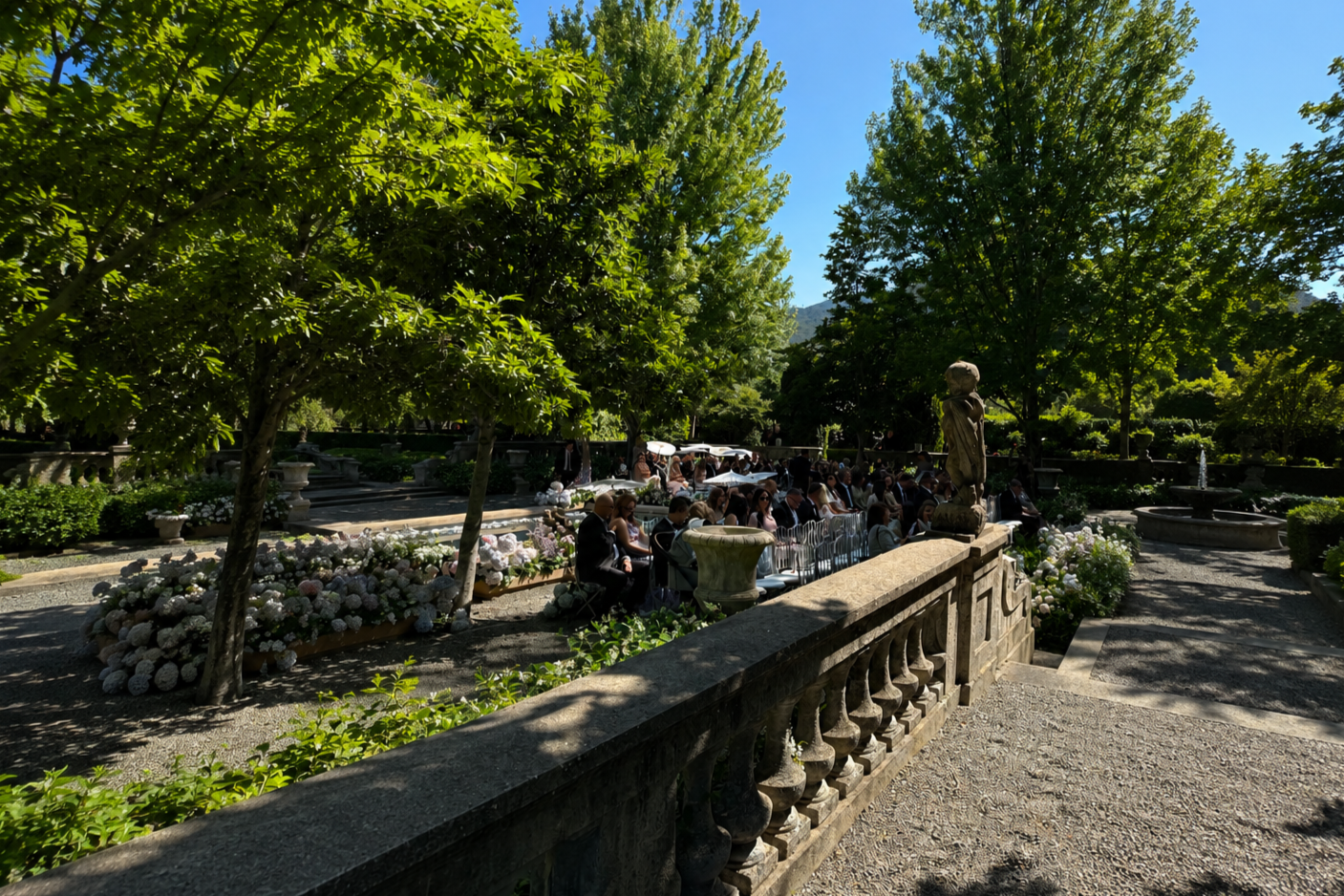
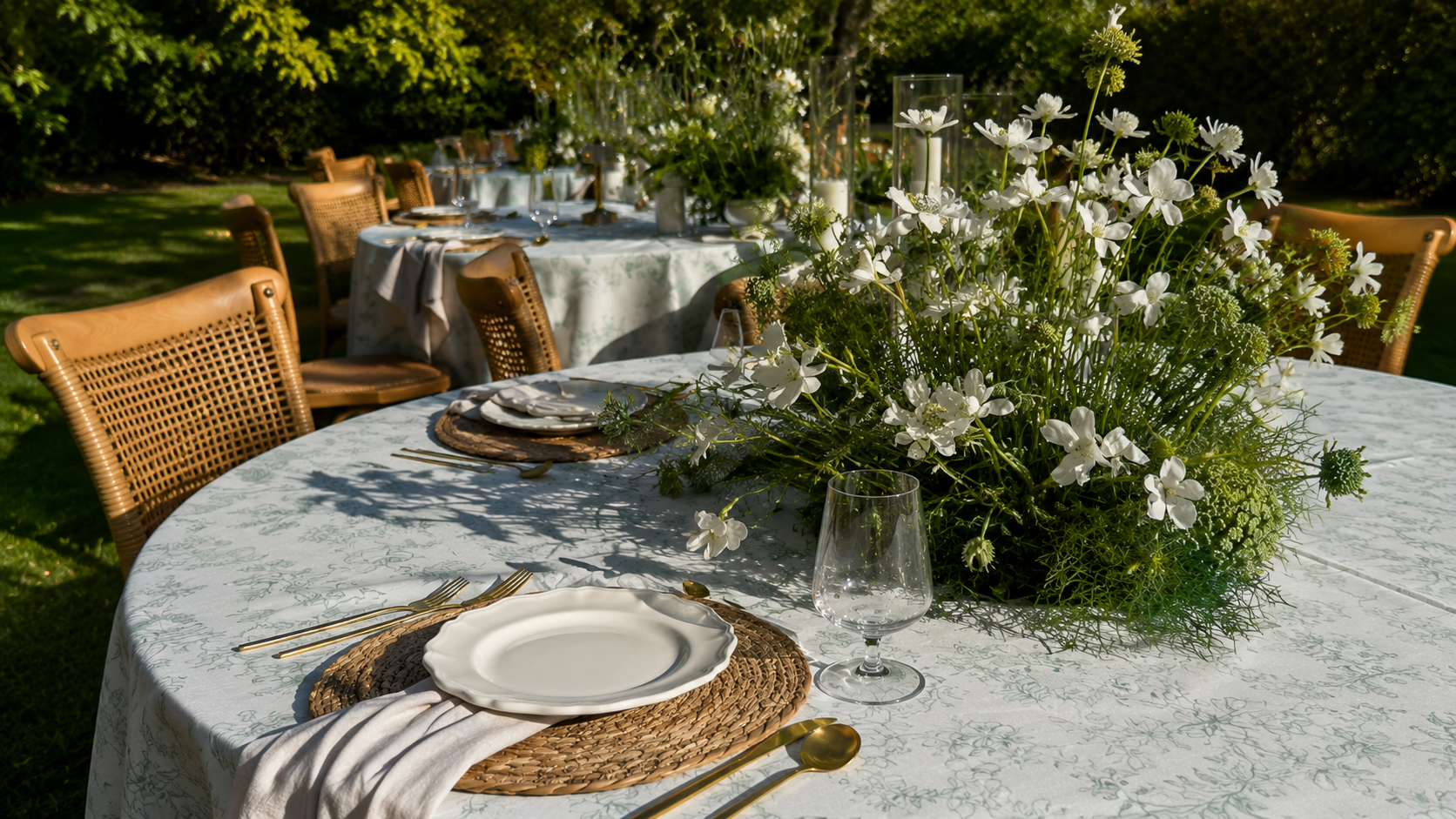
A venue can look stunning online and still be hard to live in. A cramped layout, a dark getting-ready room, guests scattered across too many areas, a hidden dance floor: these hurt the real day and the way it's captured. Whether you're drawn to garden settings, industrial warehouses, or a cozy restaurant buyout, visit it in person and pay attention to how the space moves and the atmosphere it creates.
Natural light, especially in getting-ready rooms
Flow from ceremony to cocktail hour to reception
Sound and noise restrictions
Bathroom count and location
Vendor access and load-in
Cell service and Wi-Fi (this matters if you want a Live Instagram Takeover)
Ask About the Rain Plan, Heat, Smoke + Backup for an Outdoor Wedding
If you're leaning toward an outdoor wedding, the backup plan is not optional. Ask for a real indoor space option, tent availability, temperature control, and shade or cooling. For summer and fall dates in Northern California, ask specifically about air quality and wildfire smoke, since the EPA notes smoke levels change through the day and better windows exist. CDC heat guidance is simple: stay in shade, plan ceremony timing for cooler hours, and think about hydration for you and your guests. For any open-air ceremony, ask how the venue handles severe weather, because the NWS recommends a clear lightning plan for organized outdoor events (when to stop, where people go, who's watching the sky).
Check the Venue's Vendor Restrictions + Rules
Some venues hand you a list of preferred vendors; others let you bring your own team. Ask which it is, plus the catering and alcohol rules (in California, a Type 58 caterer's permit is capped at 36 events per year per location). Confirm setup and breakdown windows, and ask where your media team is allowed to move during the ceremony and reception. Also know the difference: a venue coordinator works for the venue, while a wedding planner works for you. And to be clear, I work alongside your photographer and videographer as your wedding content creator, never in place of them.
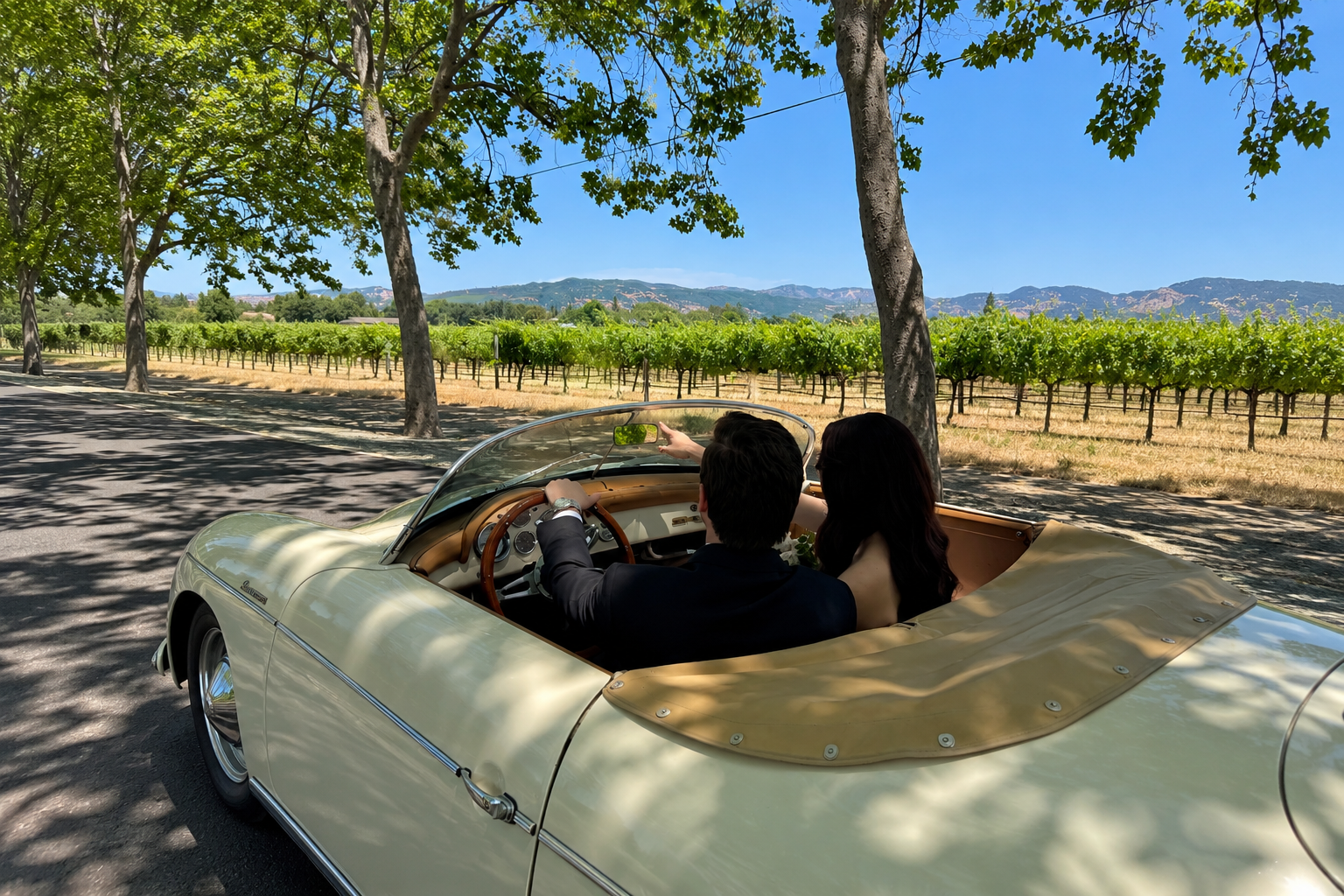
Will the Right Venue Help You Relive Your Day? (The Content Creator's Lens)
This is the part most guides skip entirely. When I walk a venue, I'm reading the space for the moments you'll want back. I look for a beautiful backdrop and pretty light in the getting-ready rooms, room to move so I can be your quiet personal paparazzi without ever being in the way, clear sightlines down the aisle, an easy cocktail hour flow, and a reception dance floor that's actually the heart of the room. I look for little corners where you can read your letters or steal a private minute, the kind of decor detail and ambiance that becomes lasting memories. And I check the venue's rules around phones and social content, since 21% of 2026 couples now plan their own social-first content, and half of couples (60% of Gen Z) find inspiration on TikTok. A venue that supports candid movement is a venue that lets me hand you raw iPhone content within 24 to 48 hours, so you relive your special day while it's still warm. That fast turnaround is my love letter to you. Let's connect.
Tour + Score Popular Venues Before Your Final Decision
Visit a focused shortlist, not every place you've pinned. Popular venues book out fast, so check availability early. It's easy to fall for photos or pure emotion, so bring a simple scoring system and rate each venue on feeling, logistics, budget, content and photo flow, guest comfort, and backup plan. Then sort your list honestly:
Deal-breakers: the things you won't compromise on.
Must-haves: important, but with a little flex.
Nice-to-haves: lovely bonuses, not requirements.
When one venue wins across the board, you'll feel it, and that's how you know you've found the perfect wedding venue for you.
Before You Make the Final Decision: Get Everything in Writing
Before you put down a deposit, read the contract line by line. That paperwork is where your final decision gets real. Confirm these are spelled out:
Wedding date, times, and access hours
Total cost and payment schedule
Cancellation and postponement terms
Insurance requirements
Alcohol and catering rules
Noise curfew and weather backup
Included rentals and cleanup
Who handles permits
Popular dates go fast, so lock yours in advance once you've decided. Ask what event insurance the venue requires. The NAIC describes two common types: liability (injury or property damage) and cancellation (covered delays or rescheduling). For public parks or streets, check permit triggers early, since California State Parks charge a $25 application fee at least 30 days out, and the City of Sacramento has its own thresholds. When it's time to begin your walkthroughs, a little advice: bring your gut feeling along with your checklist.
FAQ
What is the 50/30/20 rule for weddings?
It's a rough budgeting frame: about 50% to your biggest priorities (often venue and food), 30% to the extras, and 20% held in reserve. Treat it as a starting point, not a law.
How do I know which is the perfect wedding venue for me?
Start with the feeling and vision you want, then filter by guest count and budget. The right wedding venue fits your people, your dates, and the way you want the day to feel.
What is the 30/5 rule for weddings?
It's commonly read as a guest-list and planning guideline: keep your list tight and give yourself real lead time so the details don't crowd the day. Use it loosely, and think about how many people can comfortably attend.
Is $70,000 enough for a wedding?
Yes, comfortably. That's well above national averages of roughly $32,899 to $34,000, though your guest count and location matter most. Get real local quotes to be sure.
Choosing the Perfect Wedding Venue That Feels Like Your Love Story
The right wedding venue is pretty and practical and holds the feeling you're after. It's the stage where your love story unfolds, the house your people gather in for one unforgettable night. Run every option through the three lenses: Will it work? Will it feel like us? Will it help you relive the day? Once your venue and wedding date are set, or when you're close and want to talk through how your big day gets captured, come say hi! My DMs are always open, and you can always inquire here. xoxo